
National geographic plastic awareness
Plastic pollution has become one of the most pressing environmental issues, thanks to the overwhelming rise in production of disposable plastic products. Plastic pollution is most visible in developing Asian and African nations, where garbage collection systems are often inefficient or nonexistent. But the developed world, especially in countries with low recycling rates, also has trouble properly collecting discarded plastics.
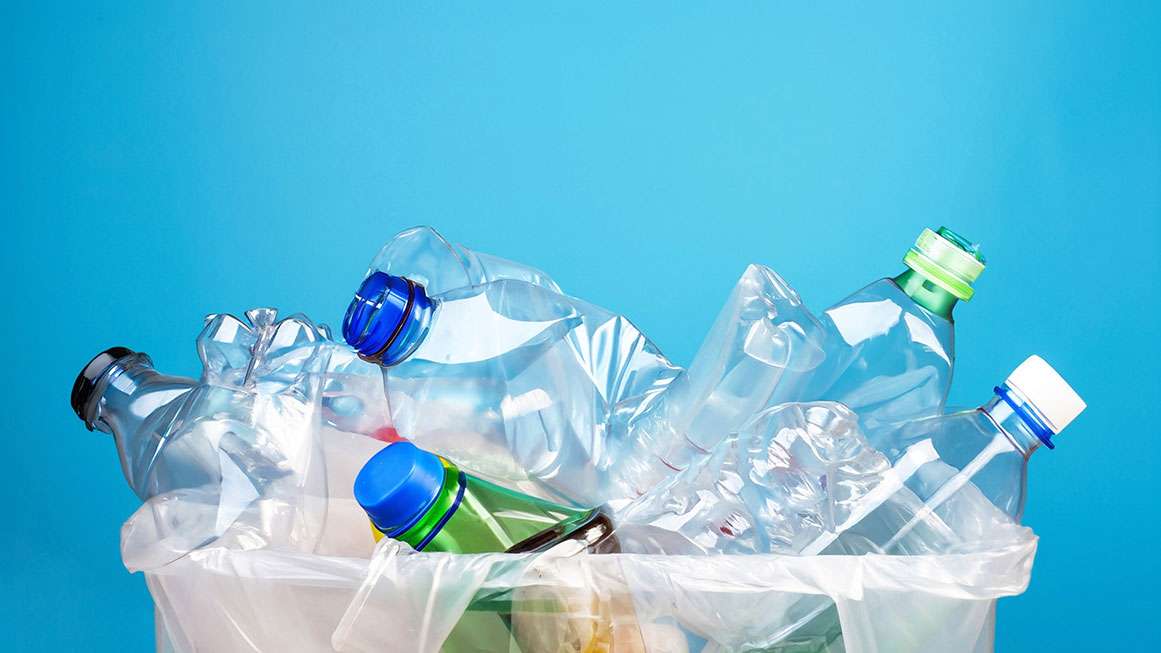
The human life’s plastic in our lives
The article “The Plastic in Our Life” argues that plastic pollution has become pervasive—present even in remote places like the Himalayas, the depths of the oceans, and even in human bodies via food, drink, and air. While plastic has undeniable benefits—medical devices, electronics, lighter packaging, and more—its durability and widespread use, particularly single-use items, have led to serious environmental and health risks. Plastics fragment into microplastics that are absorbed by living organisms, and plastic additives leach into ecosystems, with many people born already carrying them in their blood. The piece concludes that the question we must confront is how to continue using plastic in ways that do not poison our planet or ourselves.
Recycling
The ocean foundation
They state:’ Our Plastic Initiative is uniquely positioned to work both domestically and globally with many audiences to address the plastic pollution crisis from multiple angles. We work to shift the conversation from why plastics are so problematic to a solution driven approach that re-examines the way plastics are made, starting from the earliest production stage. Our program also pursues policies that aim to drastically reduce the number of products made of plastic materials.’