Ellen MacArthur
The Ellen MacArthur Foundation aims to create a circular economy for plastics, where plastic never becomes waste or pollution. Their vision includes eliminating unnecessary plastic, scaling up reusable models, and ensuring all plastic packaging is reusable, recyclable, or compostable. Through initiatives like the Global Commitment and support for a binding Global Plastics Treaty, they encourage businesses and governments to take action. However, challenges remain, such as low adoption of reuse systems, poor recycling infrastructure, and overreliance on voluntary commitments—some of which have seen companies increase plastic use. The Foundation emphasizes that achieving a circular plastic system by 2040 could reduce ocean plastic by 80%, cut emissions by 25%, and save $200 billion annually.
Unilever
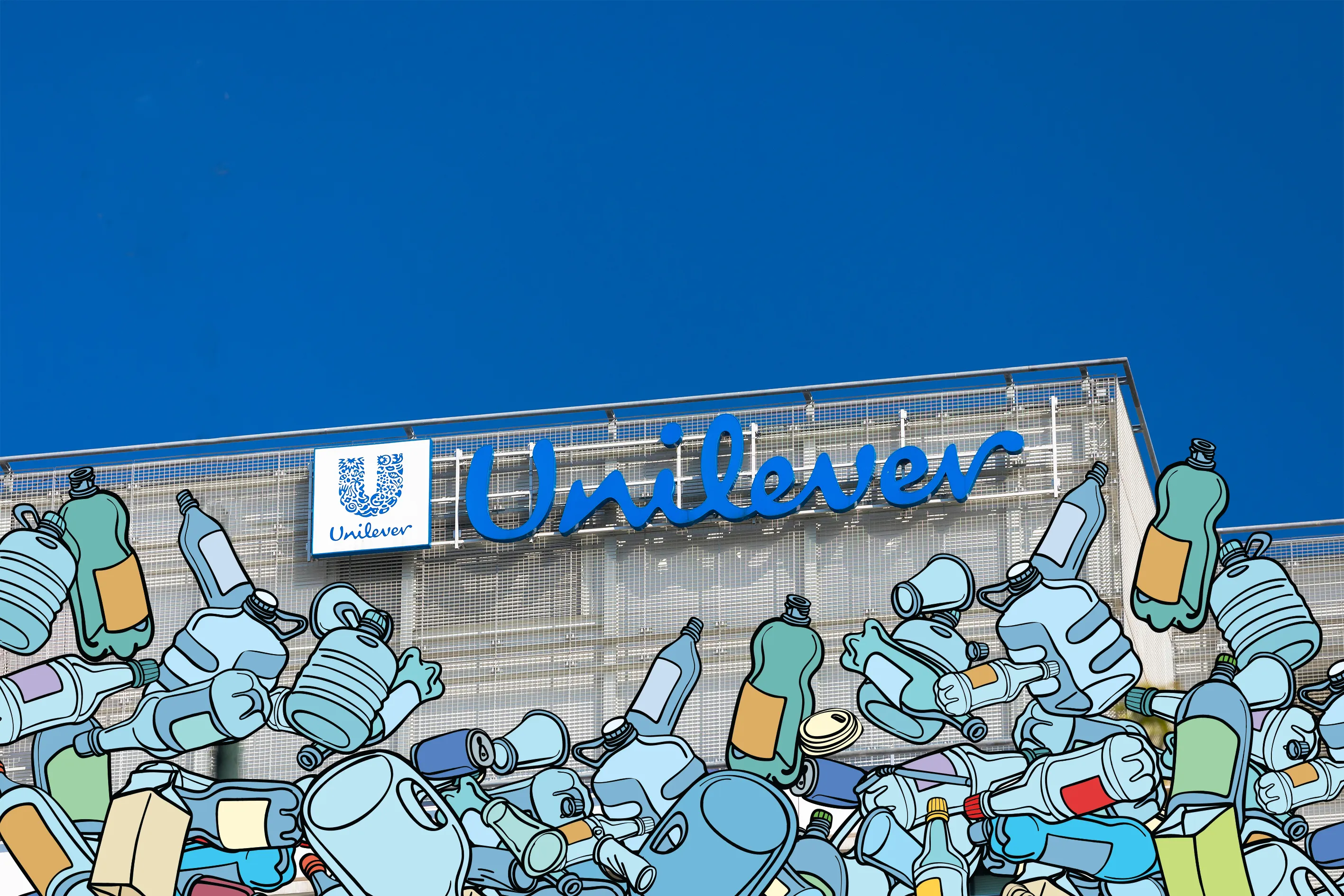
Their bottom line: recycling, reuse, and collection—while innovating through new packaging designs and refill models. It's a shift from earlier ambitious pledges toward scaled, measurable actions. However, critics argue progress is still insufficient, especially given continued high volumes of single‑use packaging and diluted targets. .
Recycling
The history and future of plastics
This is exactly what is sounds like. This sows where plastics originated and what will happen if we continue with our current state of plastic. It also gives us visions of how we could save our fragile ecosystem